
Picky - Beauty Community
Picky, Inc.Beauty
3.2179.00 Reviews
- Version
- 6.4.0
- Installs
- 100.00K
- Age Rating
- Teen
Screenshots

Our Review of Picky - Beauty Community
 Analysis by Appyee
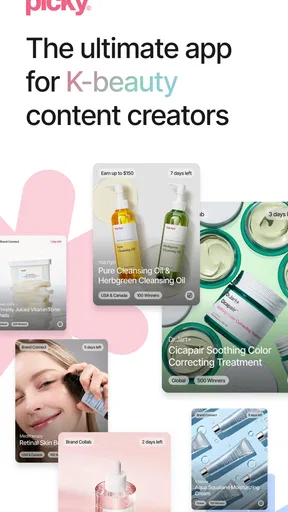
When I first opened Picky - Beauty Community, I understood its appeal quickly: it is a beauty app built around discovering products, sharing opinions, and taking part in a community rather than simply browsing a digital shop. If you enjoy skincare, makeup, or comparing routines with other people, it gives you a more social way to research what you might want to try.
The app is free, developed by Picky, Inc., and aimed at teen users. Its store summary, “Discover, Share, Earn Rewards,” describes the basic idea well, although the experience feels broader than that short phrase suggests. I found the most useful part was not any single recommendation, but the way the app encourages me to slow down and examine why a product might suit one person and not another.
That distinction matters in beauty. A moisturizer can feel perfect to someone with dry skin and unpleasantly heavy to someone with an oily complexion. A popular serum may contain ingredients that are unsuitable for a particular routine. Picky is most valuable when I use it as a place to gather perspectives, not as an automatic authority that decides what I should buy.
What the first visit feels like
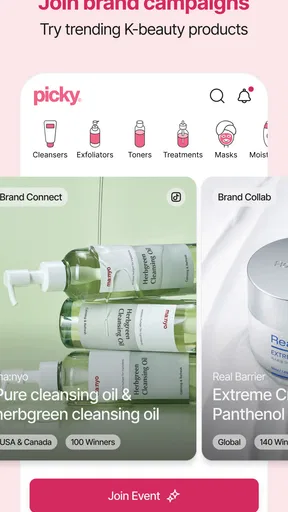
The app presents itself as a community for beauty discovery, so the first impression is more conversational than a conventional retailer. Instead of beginning with a simple product grid and pushing me toward checkout, it invites me to explore what people are discussing and sharing. That makes it a natural fit for someone who likes reading experiences before spending money.
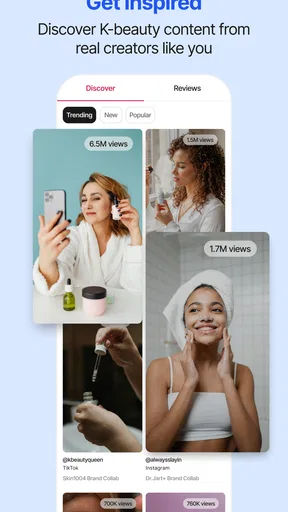
I would describe the atmosphere as part product notebook and part social feed. The community angle means that personal context matters. A useful post is not just “this is good”; it explains how the product behaved, what the person expected, and whether it worked within a wider routine. I found that this kind of detail can be more helpful than a polished product description.
There is also a learning curve caused by the amount of activity. A new user may see unfamiliar product names, ingredient language, routine steps, and opinions arriving from people with different goals. My advice is to avoid trying to understand everything immediately. Pick one concern, such as finding a gentler cleanser or comparing sunscreens, and use that as your starting point.
The app currently carries an average rating of 3.2 from around 1.8 thousand ratings, with more than a hundred written reviews. I would not treat that figure as a final judgment on the whole experience. Community apps can feel excellent to one audience and less useful to another depending on how much discussion is available around the products and concerns that matter to them.
It has passed the one-hundred-thousand-install mark, which suggests that it has found a real audience without making it feel like an enormous, impersonal platform. That scale can be a benefit for a beginner: there is enough activity to explore, while the experience still feels focused on beauty rather than every possible lifestyle topic.
Who will get the most from it
I think Picky is particularly suitable for someone who has recently become interested in skincare and wants help building a vocabulary. It can also work well for an experienced user who enjoys comparing ingredient choices, recording impressions, and seeing how the same product performs for people with different routines.
It is less suitable if you want a fast answer with no reading. If your preferred shopping method is to search for the cheapest item, check a star score, and place an order, this app may feel slower than a retailer or a simple product-search tool. Its strength is discussion and discovery, not a frictionless purchase journey.
I would also be cautious about using any community recommendation as medical advice. Skin reactions are personal, and a friendly review cannot replace professional guidance when a concern is severe, persistent, or painful. The app can help me form better questions, but it should not be the only basis for a health decision.
Getting started without feeling lost
On a first visit, I recommend treating setup as a filtering exercise rather than a formality. Think about what you actually want from a beauty community: product discovery, routine ideas, ingredient education, or feedback from people with similar concerns. That answer should guide what you read and which discussions deserve your attention.
A common beginner mistake is to follow every interesting topic at once. I found it more practical to choose one narrow goal and keep notes mentally as I browse. For example, if I am trying to replace a cleanser, I can compare several conversations about texture, comfort, routine compatibility, and longer-term impressions instead of jumping between unrelated makeup launches and skincare trends.
Another useful habit is to separate a product’s description from a person’s experience. The description tells me what the item is intended to do. A community post may reveal whether it pills under makeup, feels sticky in warm weather, or fits comfortably beside other products. Those practical details are precisely why I would open Picky before buying something unfamiliar.
The interface can take a little patience because community information is rarely arranged in the same clean sequence as a shopping catalog. I may need to read several posts before I understand the general pattern. That is not necessarily a weakness, but it means the app rewards curiosity more than speed.
The current version is 6.4.0, and it runs on Android 7.0 or later. That makes it accessible to people using older Android devices, although the experience will naturally depend on the phone’s performance and the amount of content being loaded. Since it is rated for teens, younger users should still approach beauty advice thoughtfully and avoid assuming that every trend is appropriate for every skin type.
Your first meaningful success
For me, a successful first session would not be collecting a long wish list. It would be finding one genuinely useful piece of information that changes how I evaluate a product. That might be noticing that a highly praised item is frequently described as heavy, or realizing that a product works best when introduced gradually rather than added alongside several new steps.
To reach that point, I would start with a product or concern I already recognize. Search or browse until I find a discussion with enough context to be useful, then compare more than one opinion. Look for repeated practical observations rather than treating the most enthusiastic comment as the answer.
This is one of the app’s less obvious strengths: it can improve the questions I ask before buying. Instead of asking only whether a product is “good,” I start asking whether it suits my routine, whether its finish matches my preference, and whether the people recommending it have goals similar to mine. That shift can prevent impulsive purchases.
If I already own a product, sharing a careful experience can make the app more useful for me and for others. I would mention how I used it, what I liked, what bothered me, and what type of person might prefer it. A short, honest observation is more valuable than repeating a brand claim.
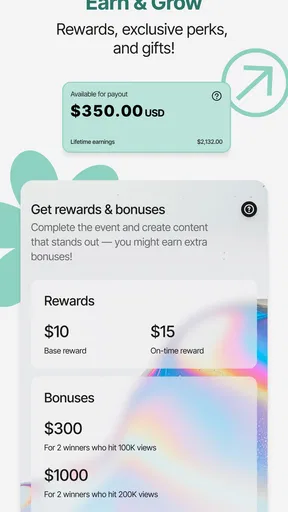
The reward element may encourage participation, but I would not make rewards the main reason to join. The stronger long-term benefit is building a personal reference point. When I return to a product later, I can remember why I considered it and compare new opinions with my own experience rather than starting from zero.
Where beginners can become confused
The biggest source of confusion is the difference between popularity and suitability. A product receiving lots of attention may simply be fashionable or widely discussed. That does not mean it is the right choice for my skin, budget, routine, or tolerance for certain textures.
I also think beginners can overread ingredient discussions. Ingredient-focused conversations are useful, but they can make a routine seem like a technical puzzle with one perfect answer. In reality, the way a formula feels, how consistently I use it, and whether it fits with the rest of my routine can matter just as much as a single highlighted ingredient.
Another trade-off is the social nature of recommendations. Community posts feel personal, which can make them persuasive. I try to remember that a reviewer’s enthusiasm is not proof of universal performance. I look for details, check whether the person’s situation resembles mine, and remain skeptical of dramatic promises.
Reward-related activity may also distract from the original goal. If I begin interacting simply to collect benefits, I may spend more time scrolling and less time making a sensible decision. My practical approach is to use the reward system as an extra, while keeping product research and useful discussion at the center.
The app’s rating of Teen is worth taking seriously in the way I use it. Beauty content can encourage experimentation, but teenagers may be especially vulnerable to pressure created by trends or idealized routines. I would use the community to learn, not to feel that I need a large collection of products to look after myself properly.
A realistic everyday use case
Imagine that I am getting ready for a new job and want a simple routine that will not feel uncomfortable during a long day. I could open Picky in the evening, look for conversations about products suited to my concern, and focus on comments describing wear, texture, and routine compatibility. I would not buy several new items at once based on one post.
Instead, I might choose one product to investigate more carefully, compare different experiences, and decide whether it deserves a place on my shortlist. If I already have a similar item at home, I can compare the community’s observations with my own rather than replacing something unnecessarily.
This workflow is more deliberate than opening a general retailer, but it can save time later. The app helps me think through a purchase before I commit, especially when the product is unfamiliar or when marketing language makes several options sound identical.
For makeup users, the same approach can apply to finish, comfort, and routine context. For skincare users, it is useful to pay attention to how people introduce products and what else they use. In both cases, the best result comes from treating the app as a research companion rather than a beauty trend scoreboard.
How it compares with ordinary alternatives
A retailer is usually better when I already know exactly what I want and need availability, delivery, or price information. Picky is better earlier in the process, when I am deciding what deserves consideration. It adds human context that a product page often cannot provide, but it does not replace the convenience of a dedicated shopping service.
A general social network may offer more creators and faster-moving trends, but its beauty advice can be harder to organize around a specific product decision. Picky’s narrower focus is useful because I can stay within beauty conversations instead of sorting through unrelated content. The trade-off is that a specialized community may not have equally rich discussion for every product or concern.
Ingredient databases can be stronger when I want a technical reference or a quick way to inspect formula information. Picky is more helpful when I want to understand how a product fits into real routines and how people describe using it. I would happily use both: a database for factual checking and the community for practical context.
Traditional beauty blogs can provide carefully edited explanations, while Picky offers a wider range of personal reactions. I prefer the app when I want several viewpoints, but I prefer a well-structured guide when I am completely new to a topic and need a clear sequence of steps.
Small habits that improve the experience
My first tip is to read for patterns, not isolated excitement. If several people independently mention the same texture, application issue, or comfort advantage, that is more meaningful to me than one dramatic recommendation.
My second tip is to keep the number of changes small. When I am comparing routines, introducing multiple products at once makes it difficult to know what helped or caused irritation. Picky can inspire ideas, but I still need a controlled approach when trying something new.
My third tip is to write down the reason a product interests me before I continue browsing. This prevents the endless-scroll problem where every attractive package becomes a possible purchase. If I cannot explain what I expect the product to improve, I probably do not need to add it yet.
A fourth useful habit is to examine disagreement instead of avoiding it. Different opinions can reveal the conditions that change a product’s performance. One person may dislike a finish that another person loves, and that contrast helps me decide which experience is closer to my own preference.
Finally, I would return to my own observations after using a product. Community participation becomes more valuable when I contribute specific, fair feedback. I do not need to sound like an expert; I only need to describe what happened clearly enough for another person to judge whether the experience might apply to them.
My recommendation for a first-time user
I recommend Picky, Inc.’s app to readers who want beauty discovery to feel more thoughtful and social. It is free, focused on beauty, and useful when I want to compare real experiences before making a purchase. The community format gives it a purpose that a standard catalog does not have.
I would skip it if I want only quick shopping, highly standardized technical information, or a completely personalized professional routine. In those situations, a retailer, ingredient reference, or qualified specialist may be a better fit. Picky works best between those extremes: it helps me explore possibilities and make more informed questions.
The most reassuring way to begin is to choose one concern, read several relevant experiences, and aim for one useful discovery rather than a complete routine makeover. That keeps the app manageable and reduces the temptation to follow every trend at once.
After that first success, the next step is to participate carefully. Share what you actually noticed, compare your experience with others, and use rewards as a bonus rather than the destination. In my experience, the app becomes more valuable when I treat it as a conversation that improves my judgment, not as a machine that chooses products for me.
Overall, Picky - Beauty Community is a worthwhile companion for curious beauty users who enjoy learning through other people’s experiences. Its community focus is its clearest advantage, while the need to filter opinions and tolerate some browsing friction is its main limitation. Used with patience and a little skepticism, it can turn an overwhelming beauty search into a more informed, personal decision.
Verdict
Strengths of Picky - Beauty Community
- Helpful product reviews from real beauty enthusiasts
- Easy-to-use filters for finding products that match your needs
- Personalized recommendations based on your beauty interests
- Useful place to compare opinions before buying cosmetics
- Supports discovering smaller and less-known beauty brands
Limitations of Picky - Beauty Community
- Some reviews may reflect personal preferences rather than objective results
- Product availability and prices can vary by country
- The community feed may feel overwhelming for new users
- Recommendations may favor products with more community activity
- Requires an account to access the full social experience
Similar Picks in This Category
View All
Beauty Makeup Editor & Camera
Photo & Video Editors - Instant Solution4.7

Perfect365: Face Makeup Editor
Perfect365, Inc.3.5

Mirror Plus - HD Mirror app
Digitalchemy, LLC4.8

Cute Lock Screen & Wallpapers
Prometheus Interactive LLC4.6

HD Camera for Android
One Music Player4.5

Phone Mirror app - True Mirror
Cards4.6
Frequently Asked Questions
What is Picky - Beauty Community, and who is it for?
Picky is a beauty and skincare community designed for people who want to discover products, compare opinions, learn about ingredients, and discuss routines with other beauty enthusiasts. It is especially useful for users interested in Korean beauty, cosmetics, sensitive-skin care, and ingredient-focused shopping. The app combines community posts, product information, reviews, and educational content in one place.
Can I trust the skincare reviews and product information on Picky?
Picky provides helpful community reviews and product details, but users should still evaluate information carefully. Experiences can vary significantly depending on skin type, allergies, climate, and routine. Reviews are best used as guidance rather than medical advice or a guarantee that a product will work for you. Checking ingredient lists and consulting a dermatologist is recommended for persistent skin concerns.
What can I do with a Picky account?
After creating an account, you can personalize your beauty profile, follow discussions, save or review products, interact with other members, and share your own skincare experiences. Depending on the current version and available campaigns, members may also be able to participate in product testing or community events. Some features may require profile information or regular activity within the app.
Does Picky offer product testing, samples, or giveaways?
Picky may feature product-testing opportunities, samples, promotions, or giveaways from beauty brands and community campaigns. Availability can depend on your country, eligibility, campaign rules, and the number of participants. These opportunities are not guaranteed for every user, so it is important to read the requirements, deadlines, shipping conditions, and any review obligations before applying.
Is Picky free to download and use?
Picky is generally available as a free app, allowing users to browse beauty content, read discussions, and explore product information without paying for basic access. However, products mentioned in the community are not automatically free, and purchases may take place through external retailers or brand websites. Always review the app-store listing and campaign terms for current pricing, optional purchases, and regional limitations.
